Why Choose Wrinkle Wall Aluminium Food Packaging? | ZONGBOU
A busy takeaway kitchen packs 300 orders before the dinner rush ends. A catering company loads 150 boxed meals into delivery vans for an off-site corporate event. A bakery prepares trays of pastries for morning retail delivery. In each scenario, the packaging must do more than just hold food — it must survive transport, maintain temperature, and arrive intact, all while fitting within tight operational budgets.
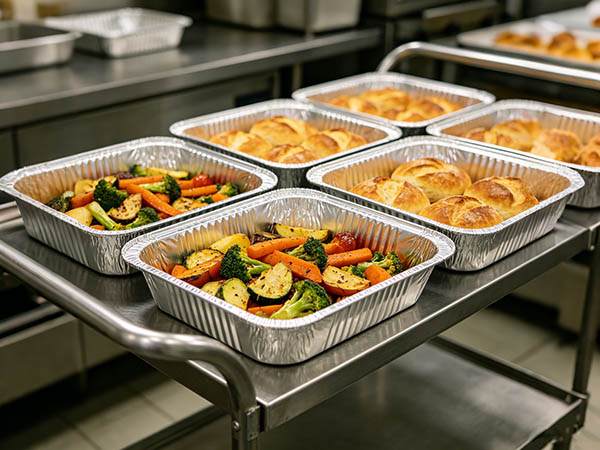
For food service operators, the choice of packaging directly affects three things: customer satisfaction, operational cost, and brand reputation. Wrinkle wall aluminium containers have become a workhorse solution across these environments. Their distinctive ridged sidewalls are not merely decorative — they deliver functional advantages that address the real-world demands of catering, takeaway, and food delivery.
This guide examines four practical reasons why wrinkle wall aluminium containers are widely adopted in food service, and what to consider when evaluating them for your operation.
Structural Strength Through Geometry — How Ridged Sidewalls Improve Durability
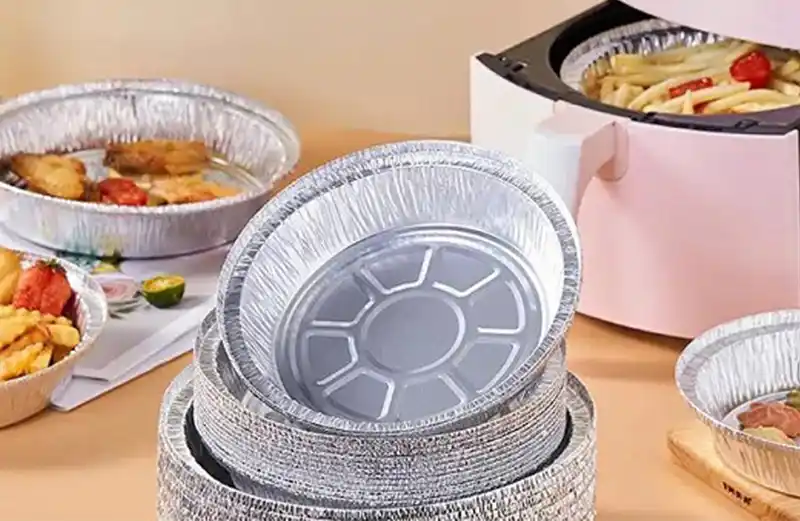
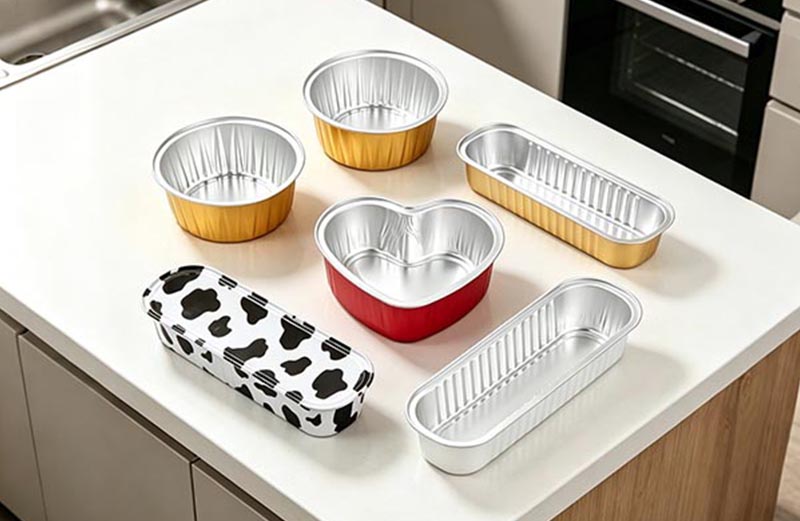
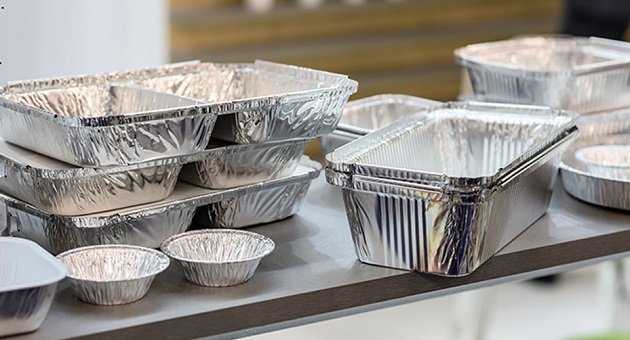
The most visible feature of a wrinkle wall container is its corrugated or ribbed sidewall. This design is a product of the manufacturing process: during shallow drawing, controlled pleating creates ridges along the walls. The corrugation adds structural rigidity through geometry, which means the foil itself can be thinner and softer while the finished container still stacks and holds shape under load.
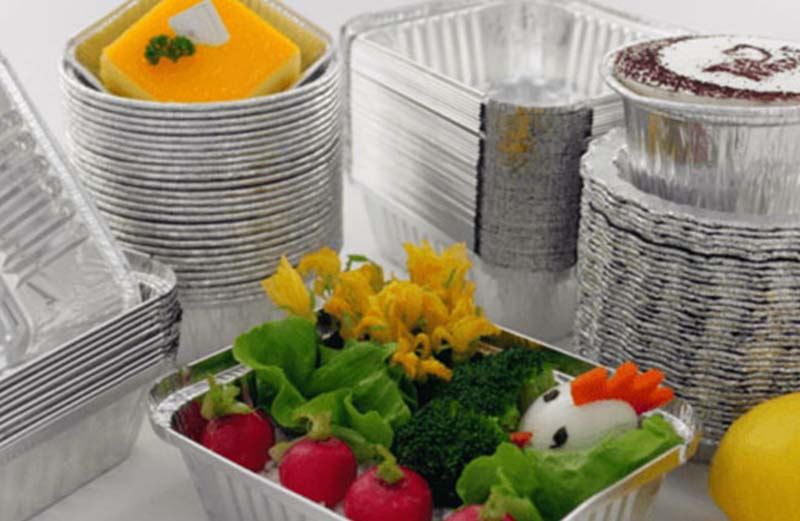
What does this mean for a food service operation? When containers are stacked multiple layers deep in delivery bags or catering transport boxes, they must resist deformation. A container that buckles under weight can lead to spillage, cross-contamination of flavors, and presentation failures. The wrinkle wall’s structural design minimizes these risks.
In practical terms, the geometry of wrinkle wall containers provides strength without bulk. This translates into fewer damaged orders, less food waste, and more reliable transport — particularly important for high-volume operations where even a small failure rate adds up across hundreds of daily orders.
Cost Efficiency — Why Lower Material Usage Means Better Margins
For food service businesses operating on thin margins, packaging cost is a significant line item. Wrinkle wall containers offer a clear advantage here: their production requires less aluminium per unit compared to smooth wall alternatives.
From a manufacturing standpoint, wrinkle wall lines run faster — often 60-80 strokes per minute compared to 35-50 for comparable smooth wall geometry. Tooling complexity is lower, mold maintenance intervals are longer, and the tolerance for foil specification variation is wider. These production efficiencies translate into lower per-unit costs. Industry data suggests that production costs per container for wrinkle wall are roughly one-quarter to one-fifth of smooth wall on the same foil tonnage.
For a high-volume operator, these savings are meaningful. At scale, even a few cents per container difference accumulates into significant annual cost reduction — without compromising the functional performance required for delivery and catering applications. Learn more about how container design affects production economics and packaging costs.
Thermal Performance — The Air Pocket Advantage for Temperature Retention
Temperature loss during delivery is one of the most common sources of customer complaints. Food that arrives lukewarm or cold fails to meet expectations, regardless of how well it was prepared. For catering events where food may be transported and held before service, thermal retention becomes even more critical.
Wrinkle wall containers offer a functional advantage in this area that is directly tied to their surface geometry. The ridge pattern creates air pockets that act as a thermal barrier, keeping hot food hot and cold food cold longer. This is a functional benefit that smooth surfaces do not deliver.
For delivery operations facing extended transit times — common in urban markets where traffic and multiple drop-offs extend delivery windows — the thermal barrier effect can meaningfully improve the customer experience. A container that keeps food warmer for an additional 10-15 minutes may be the difference between a positive review and a complaint about cold food.
The thermal properties extend to cooking as well. Wrinkle wall trays help heat move around evenly, making them well-suited for baking and roasting applications. Aluminium foil containers can be safely heated in conventional ovens, microwaves, and air fryers, remaining rigid at high temperatures. This versatility means the same container can go from cold storage to oven to table.
Sustainability and Regulatory Alignment — Meeting the Shift Away from Plastics
Packaging regulations are evolving rapidly, and food service businesses must stay ahead of these changes. The EU’s Packaging and Packaging Waste Regulation (PPWR) came into force in February 2025, introducing stricter requirements for single-use packaging, with several categories of single-use plastic packaging facing bans by 2030. Similar measures are taking effect globally.
Aluminium foil containers offer a clear path forward. Aluminium is 100% recyclable and can be recycled indefinitely without losing its properties. According to the International Aluminium Institute, nearly 75% of all aluminium ever produced is still in use today. This circularity makes aluminium packaging a sustainable choice that aligns with both regulatory trends and consumer expectations.
For food contact safety, aluminium foil containers meet established regulatory standards across major markets. In the United States, FDA regulations under 21 CFR address food contact substances. In the European Union, Regulation (EC) No 1935/2004 establishes general requirements for materials intended to come into contact with food. Aluminium foil itself is non-toxic, does not impart odors or flavors to food, and provides an impermeable barrier to light, moisture, oxygen, and microorganisms.
The global aluminium foil container market reflects this growing preference. The market is expected to grow at a compound annual growth rate (CAGR) of 4.4% from 2025 to 2031, driven by increasing demand for eco-friendly packaging solutions and the rising popularity of ready-to-eat food packaging. Food delivery accounts for approximately 58% of demand. See how packaging solutions address quality, compliance, and efficiency across the food service industry.
Wrinkle Wall vs. Smooth Wall — A Practical Comparison for Food Service Decision-Makers
Both wrinkle wall and smooth wall aluminium containers have their place in food packaging, but they serve different operational needs. The following comparison highlights the key differences:
| Characteristic | Wrinkle Wall Containers | Smooth Wall Containers |
|---|---|---|
| Structural strength | Ridged sidewalls provide strength through geometry; stacks well under load | Smooth, uninterrupted surface; requires thicker foil for equivalent strength |
| Thermal performance | Ridge pattern creates air pockets that act as a thermal barrier | Smooth surface maximizes thermal transfer |
| Production cost | Lower per-unit cost; faster production | Higher per-unit cost; slower production |
| Best-fit applications | Casual takeout, food delivery, catering, baking | Premium retail meals, heat-seal applications, branded packaging |
| Aesthetic presentation | Functional, utilitarian appearance | Smooth, premium finish |
For catering and delivery operations, wrinkle wall containers typically offer the more practical choice. Their strength-to-weight ratio supports bulk transport and stacking. Their thermal barrier properties address the core challenge of temperature maintenance during transit. Their lower cost structure aligns with the volume economics of high-output food service.
However, the decision is not absolute. A premium catering operation serving corporate clients may choose smooth wall containers for their aesthetic presentation, accepting higher cost for brand alignment. The key is matching container selection to the specific operational context. Explore smooth wall container options for applications requiring premium presentation.
Application Scenarios — When Wrinkle Wall Containers Deliver Distinct Advantages
High-volume urban delivery kitchen with 200+ daily orders
In this environment, cost efficiency and thermal retention are paramount. Containers must survive stacking in delivery bags, maintain food temperature across urban transit, and present food acceptably upon arrival. Wrinkle wall containers’ thermal barrier properties and strength-to-weight ratio directly address these requirements. The lower per-unit cost also matters — at 200 orders per day, even a small per-container savings accumulates significantly over a year.
Bakery and catering operation serving retail and event clients
For bakeries, wrinkle wall trays are ideal for baking and roasting applications. Their textured surface helps with even cooking. For catering, the same containers can go from oven to transport to table without transferring food, reducing handling and preserving presentation. The versatility of a single container format across multiple use cases simplifies inventory management. Understand how container design and mold quality affect production consistency.
Food service operation transitioning away from plastic packaging
For businesses responding to regulatory changes and consumer preference for sustainable packaging, wrinkle wall aluminium containers offer a drop-in replacement for many plastic applications. They are 100% recyclable, meet food contact safety standards, and provide the thermal and structural performance that plastic alternatives often fail to deliver in delivery scenarios.
Your Decision Framework — Four Questions for Evaluating Wrinkle Wall Containers
When assessing wrinkle wall aluminium containers for your operation, consider these questions:
| Decision Factor | Ask This Question | Why It Matters |
|---|---|---|
| Volume and scale | How many containers do I use daily, and how are they transported? | High-volume operations benefit most from wrinkle wall’s cost structure. |
| Delivery distance | What is my average delivery window, and what temperature challenges exist? | Longer transit times make thermal barrier properties more valuable. |
| Application type | Am I primarily using containers for transport, cooking, or both? | Wrinkle wall supports oven-to-table applications; versatility reduces inventory complexity. |
| Regulatory requirements | Which markets do I serve, and what packaging regulations apply? | Aluminium containers must meet relevant food-contact standards for each market. |
Next Step: From Guidelines to Selection
Once you have clarified these key decision factors — volume and scale, delivery distance and temperature requirements, application type, and regulatory compliance needs — comparing the specific specifications of available options becomes the next logical step. You can review ZONGBOU‘s wrinkle wall aluminium container series for high-volume catering and delivery applications or explore custom options for specific menu requirements. The right choice depends on your specific operational context, but the framework above provides the foundation for making that choice with confidence.
Related Reading
-
Smooth Wall vs. Wrinkle Wall Aluminium Containers: A Practical Comparison for Food Businesses
-
How to Evaluate Aluminium Foil Container Manufacturing Partners for Quality Consistency
-
Regulatory Guide: Food-Grade Packaging Standards Across North America, Europe, and Asia
-
The Role of Packaging in Customer Satisfaction for Food Delivery Services
-
Sustainable Packaging Transitions: Planning for Regulatory Changes in Food Service
This article is part of ZONGBOU’s technical content library. No direct sales or pricing information is included. All technical discussions aim to help you make informed purchasing decisions.