How Aluminium Containers With Smooth Walls Seal Tightly | ZONGBOU
A catering manager watches a delivery driver leave with 50 boxed meals. A cloud kitchen operator dispatches the dinner rush. A prepared meals manufacturer ships a pallet of chilled entrees to a retail partner. In every case, one question hangs over the operation: will the seals hold?
Packaging failure is not a theoretical risk — it is a measurable business cost. Industry observers note that studies show somewhere around 30% of all deliveries end up damaged because packaging is not built for the rigors of the road. In simulated delivery conditions, leak rates for conventional containers can reach 15–20%, particularly for high-fluidity items like noodle soups or salad dressings. Each failed seal means wasted food, refunded orders, and a customer who may not order again.
For food businesses operating at scale, the difference between a container that seals reliably and one that does not translates directly into customer retention, operational efficiency, and brand reputation. This guide explains how smooth wall aluminium containers achieve tight seals — examining the design features, sealing technologies, and material science that make them a practical choice for food packaging applications.
The Smooth Wall Advantage — Why Rim Design Matters for Seal Integrity
The seal of any container depends on the interface between the container rim and the lid or lidding film. If that interface is uneven, inconsistent, or damaged, the seal will fail — regardless of how sophisticated the lidding material may be.
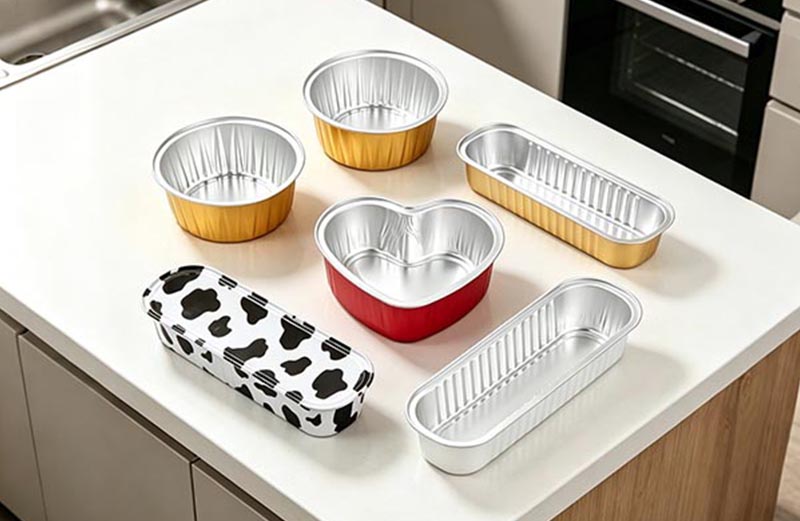
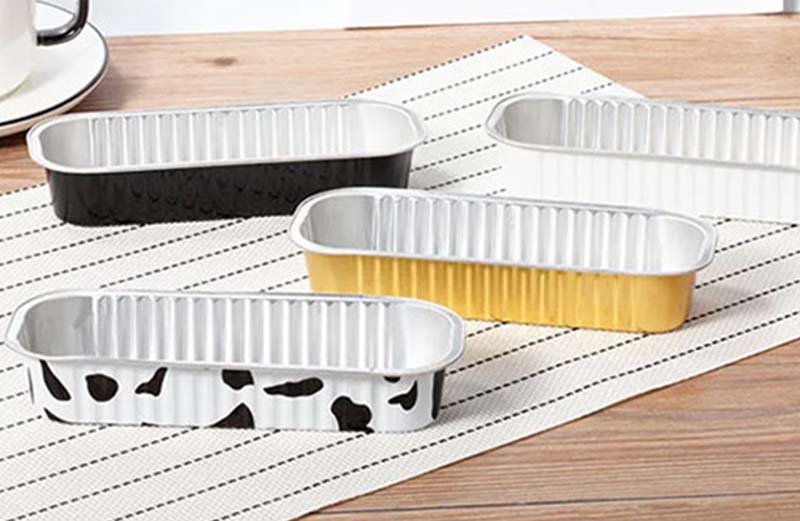
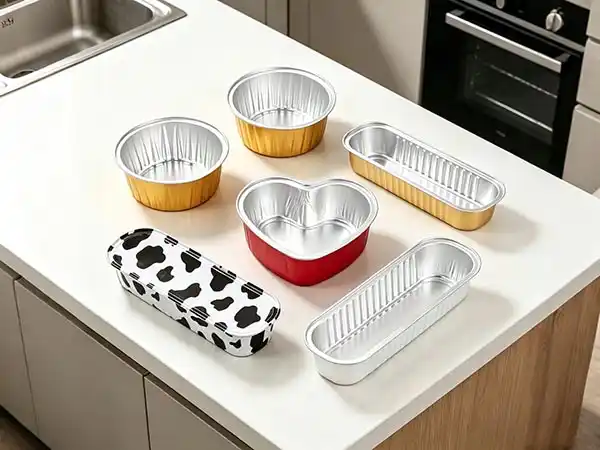
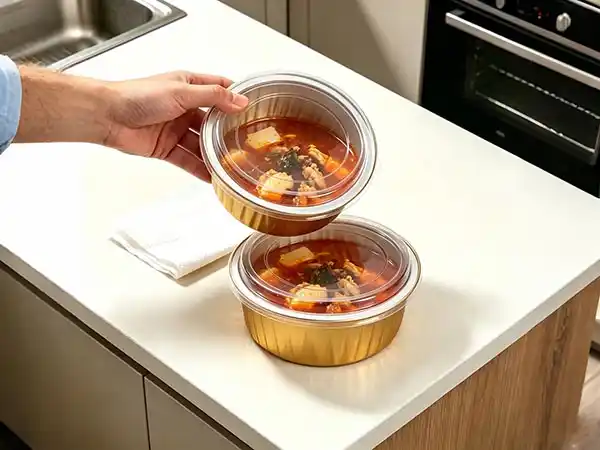
Smooth wall aluminium containers are distinguished by their seamless, smooth edges. This design feature is not merely aesthetic; it is functional. Unlike wrinkle-wall containers whose corrugated sidewalls extend to the rim, smooth wall containers feature a flat, horizontal rim that provides a uniform sealing surface. This smooth, horizontal rim allows hermetic sealing with transparent films or heat-resistant foil membranes.
The practical implication is straightforward: a smooth, even rim means the lidding material makes consistent contact across the entire sealing surface. There are no ridges, gaps, or irregularities that could create pathways for air or liquid to escape. This consistency is what enables smooth wall containers to achieve what the European Aluminium Foil Association describes as “best in class” sealing reliability across multiple formats and lidding materials.
For food businesses, this translates into fewer leakers, fewer customer complaints, and less food waste. A container that seals reliably also supports extended shelf life — aluminium foil’s barrier properties protect contents from light, moisture, oxygen, and germs without altering odour, taste, or colour. Explore the full range of smooth wall aluminium container options for various food packaging applications.
The Science of Sealing — How Heat and Pressure Create a Hermetic Bond
Understanding how a seal forms helps explain why smooth wall containers are particularly well-suited for reliable sealing. The process is rooted in materials science and thermal dynamics.
During heat sealing, heat is applied through the foil to the sealing layer of the lidding film. This heat causes the polymer sealing layer to soften and flow into the surface of the container rim. When cooled, the material solidifies, creating a leak-proof bond. The quality of this bond depends on several factors: the uniformity of heat application, the compatibility between the lidding film and the container surface, and the surface characteristics of the container rim itself.
Aluminium foil offers a distinct advantage in this process. The uniform conductivity of foil ensures that sealing can be carried out at speed without concern for inconsistent seal strength. Heat distributes evenly across the sealing surface, rather than concentrating in hot spots or leaving cold areas. This uniform heat distribution means seals are consistent from container to container — a critical requirement for high-volume production environments.
A peer-reviewed study published in the journal Surface and Coatings Technology examined the multifactor nature of sealing performance in smooth wall aluminium containers. The research identified several parameters that affect adhesion at the metal/lid interface: the iron content in the aluminium alloy, the effect of lubricant oil used during manufacturing, the surface “shape” of containers in contact with the lid, and the alloy grain structure. The study found that detachments could be reduced when a low iron content alloy is used, and that surface roughness showing certain characteristics provides much higher adhesion.
For packaging buyers, this research underscores an important point: not all smooth wall containers seal equally well. The quality of the seal depends on the manufacturing process, material selection, and quality control — factors that vary between suppliers. Discover how aluminium foil container mould design influences seal quality and production consistency.
Lidding Options — Matching the Seal to the Application
Smooth wall aluminium containers support a range of lidding options, each suited to different operational requirements:
| Lidding Type | Description | Best For |
|---|---|---|
| Heat-sealable film | Polymer film that bonds to the container rim when heat and pressure are applied | High-speed automated packing lines; extended shelf-life products |
| Foil membrane lids | Aluminium foil lids that seal to the container, often with peelable features | Products requiring maximum barrier protection; retort or pasteurization processes |
| Snap-on plastic lids | Rigid or flexible plastic covers that snap onto the container rim | Takeaway and delivery where re-closure is valued; short shelf-life applications |
| Foil/board laminates | Composite lids combining foil barrier with board for rigidity | Bakery and catering where presentation and stackability matter |
The choice of lidding directly affects seal performance. Hermetic sealing — an airtight, leak-proof closure — is achievable with heat-sealable films and foil membranes, particularly on smooth wall trays with smooth, horizontal rims. This level of seal integrity supports applications ranging from chilled ready meals to frozen prepared dishes.
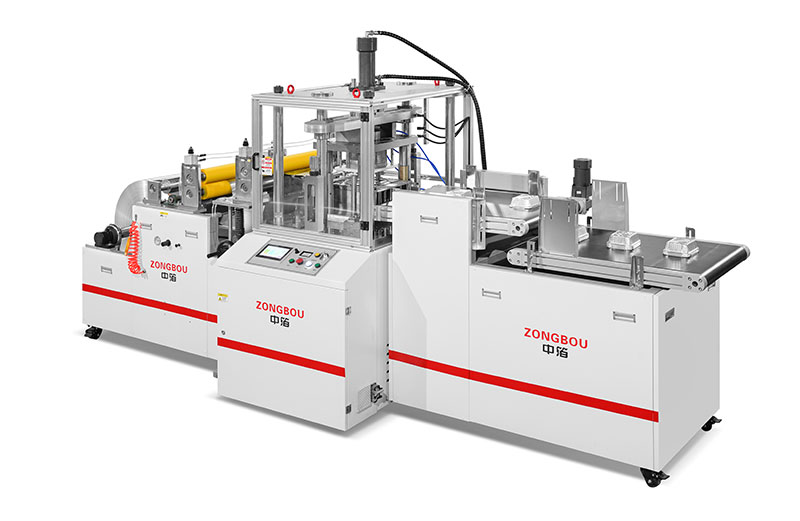
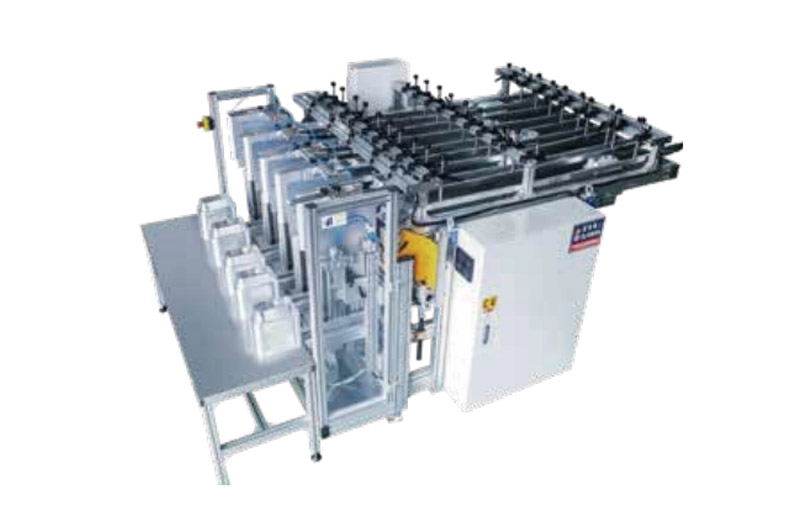
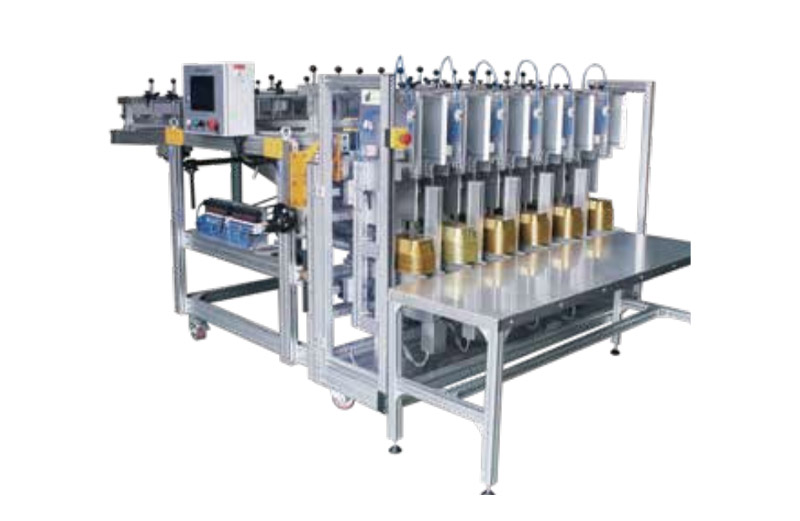
For food delivery and takeaway operations, the seal must withstand the physical demands of transport — jostling, stacking, temperature changes. Aluminium foil containers offer sealing reliability that can cope with rough handling and wide temperature ranges, maintaining seal performance from frozen storage through cooking and until the consumer is ready to open the package. Learn how different sealing technologies integrate with production line equipment for various packaging scales.
Beyond the Seal — Why Seal Integrity Directly Affects Your Business
The technical details of sealing matter because they translate directly into business outcomes. Consider the following:
Customer satisfaction. A 2026 industry report noted that food delivery packaging typically fails from three weak points: loose lid seals, trapped steam, and unstable stacking that crushes food. Loose lid seals are the most direct failure mode — and the most visible to customers. A container that arrives with sauce leaked into the delivery bag signals carelessness, regardless of how carefully the food was prepared.
Regulatory compliance. Food contact materials must meet established safety standards. In the United States, FDA regulations under 21 CFR address food contact substances, with aluminium foil recognized as an effective barrier to migration of materials from the non-food-contact side. In the European Union, Regulation (EC) No 1935/2004 establishes general requirements for materials intended to come into contact with food, ensuring they do not change the composition or organoleptic properties of food. A container that seals properly helps maintain food safety throughout the supply chain.
Operational efficiency. In high-volume production environments, seal failures create downstream costs: rework, waste, customer service time, and refunds. Reliable sealing reduces these costs and supports consistent throughput.
Brand reputation. Packaging is the first physical interaction between customer and brand. A container that presents food cleanly, without leaks or spills, reinforces quality perceptions. A container that fails undermines trust. See how comprehensive packaging solutions address quality, compliance, and efficiency across the food service industry.
Application Scenarios — When Seal Integrity Matters Most
High-volume prepared meals manufacturer supplying retail channels
In this environment, seals must survive distribution center handling, retail shelf storage, and consumer transport. Hermetic sealing extends shelf life, reducing spoilage and enabling broader distribution. The smooth rim of smooth wall containers supports high-speed automated sealing — a requirement for cost-effective production at scale.
Premium catering operation serving corporate events
Here, presentation is paramount. A single leak can stain tablecloths, spoil food presentation, and damage client relationships. Smooth wall containers’ reliable seals, combined with their premium appearance, support the quality standards expected in corporate catering.
Cloud kitchen with high daily order volume
For cloud kitchens, packaging failures create immediate costs: refunds, replacement orders, and negative reviews. With order volumes in the hundreds per day, even a low failure rate translates into significant operational disruption. Reliable sealing is not optional — it is a prerequisite for sustainable operations.
Your Decision Framework — Four Questions for Evaluating Container Seal Performance
When assessing smooth wall aluminium containers for your operation, consider these questions:
| Decision Factor | Ask This Question | Why It Matters |
|---|---|---|
| Rim quality | Is the container rim smooth, flat, and free from defects? | Rim irregularities create pathways for leaks, regardless of lidding quality. |
| Material composition | What alloy is used, and what quality controls are in place? | Alloy composition affects seal adhesion; consistent manufacturing reduces failure risk. |
| Lidding compatibility | Is the container compatible with your chosen lidding system? | Mismatched materials can compromise seal strength. |
| Production scalability | Can the container support your production speed and volume? | Seal performance must remain consistent at production speeds. |
Next step: From guidelines to selection
Once you have clarified these key decision factors — rim quality, material composition, lidding compatibility, and production scalability — comparing the specific specifications of available options becomes the next logical step. You can review ZONGBOU‘s smooth wall aluminium container series for food packaging applications or explore custom options for specific operational requirements. The right choice depends on your production environment and quality standards, but the framework above provides the foundation for making that choice with confidence.
Related Reading
-
Smooth Wall vs. Wrinkle Wall Aluminium Containers: A Practical Comparison for Food Businesses
-
How to Evaluate Aluminium Foil Container Manufacturing Partners for Quality Consistency
-
Regulatory Guide: Food-Grade Packaging Standards Across North America, Europe, and Asia
-
The Role of Packaging in Customer Satisfaction for Food Delivery Services
-
Heat Sealing Technology for Food Packaging: What Food Businesses Need to Know
This article is part of ZONGBOU’s technical content library. No direct sales or pricing information is included. All technical discussions aim to help you make informed purchasing decisions.