Wrinkle Wall Aluminium Containers for Catering & Food Delivery | ZONGBOU
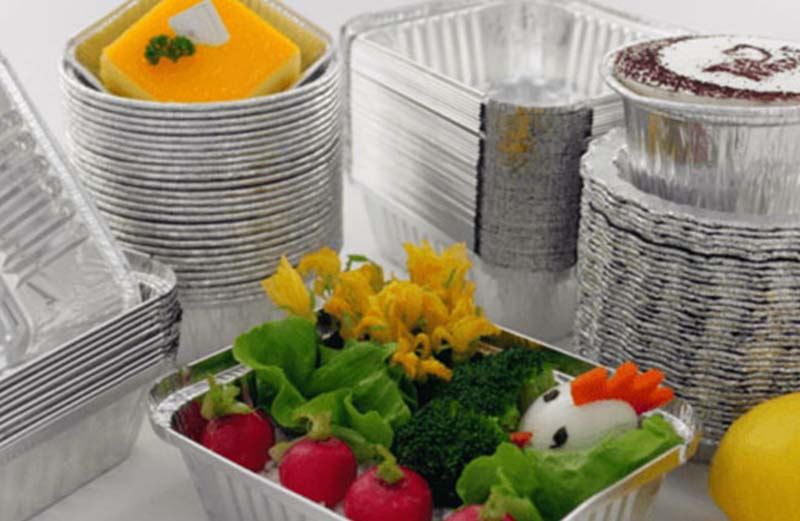
For catering businesses and high-volume food delivery operations, the journey from kitchen to customer is where reputations are made or broken. A caterer delivering 200 boxed meals to a corporate event cannot afford a single container failure — one leak can stain tablecloths, spoil presentations, and trigger complaints that ripple through an entire client relationship. A delivery kitchen dispatching hundreds of orders daily faces the same reality: packaging that collapses under weight, fails to retain heat, or arrives damaged signals carelessness, regardless of how carefully the food was prepared.
The numbers tell a clear story about the stakes involved. The global foodservice industry reached US$3.36 trillion in 2025, with delivery now accounting for 21% of the global consumer foodservice market — up from just 9% in 2019. This means more meals travel farther, spend more time in transit, and face more handling than ever before. For operators in this space, packaging is no longer a commodity purchase — it is a functional component that directly affects customer satisfaction, repeat business, and operational efficiency.
This guide examines the practical considerations for choosing Wrinkle Wall aluminium containers in catering and food delivery contexts, focusing on three decision factors that matter most: structural integrity during transport, thermal performance across delivery windows, and regulatory alignment with evolving packaging standards.
Structural Integrity — Why Wrinkle Wall Design Translates to Real-World Durability
The most immediate concern for any catering or delivery operation is whether a container will hold up under real-world conditions. Stacked in delivery bags, jostled during transit, subjected to the weight of multiple containers — packaging must withstand forces that go far beyond simply holding food.
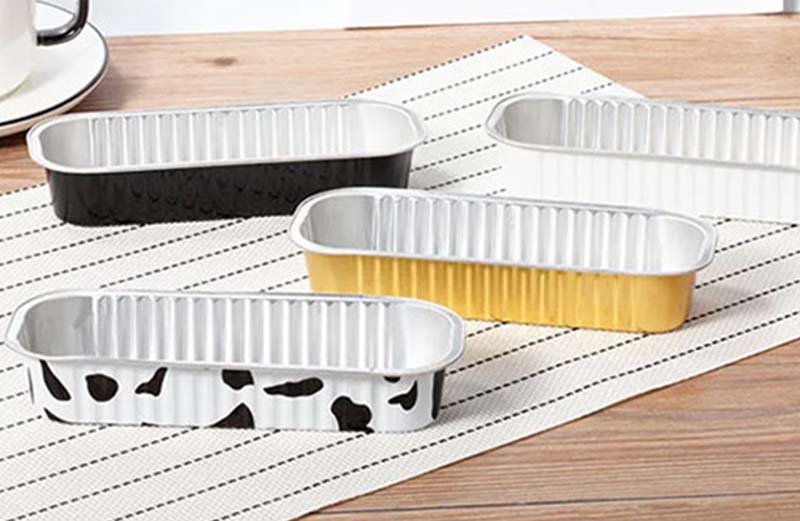
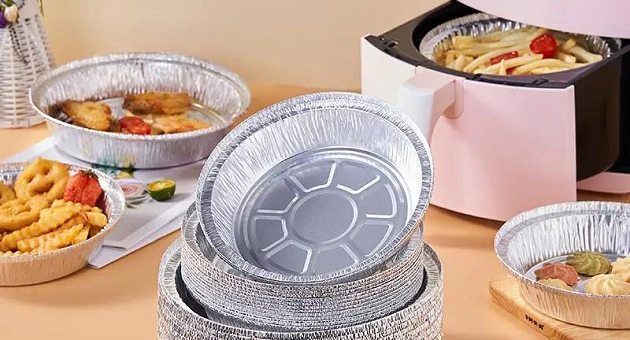
Wrinkle Wall aluminium containers address this challenge through their distinctive ridged sidewall pattern. The corrugation is not cosmetic — it adds structural rigidity through geometry, which means the foil itself can be thinner while the finished container still stacks and holds shape under load. This design principle has a direct operational benefit: containers maintain their integrity even when stacked multiple layers deep in delivery bags or catering transport boxes.
For catering operations in particular, this strength-to-weight ratio matters enormously. A single catering order may involve dozens or hundreds of containers transported together. Containers that buckle or deform under stacking pressure can lead to spillage, cross-contamination of flavors, and presentation failures that reflect poorly on the caterer‘s professionalism. The wrinkle wall’s structural design minimizes these risks without adding unnecessary material weight.
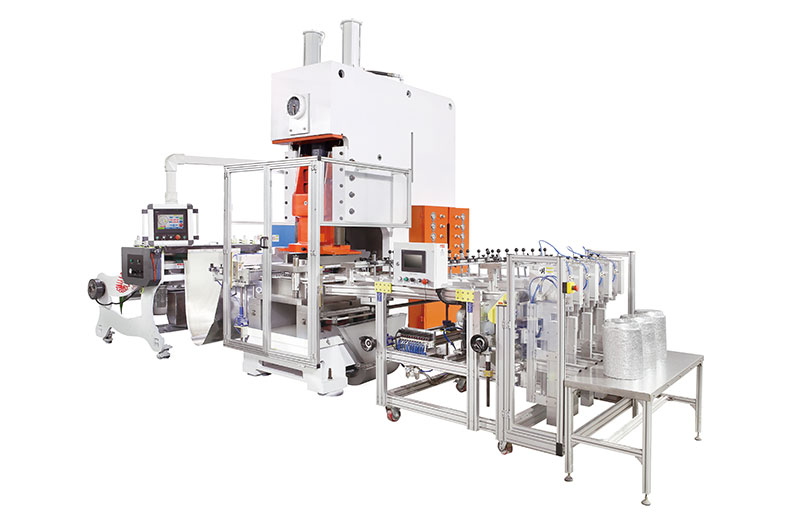
The production economics of Wrinkle Wall containers also support their suitability for high-volume operations. From a manufacturing standpoint, wrinkle-wall lines run faster — often 60-80 strokes per minute compared to 35-50 for smoothwall geometry — with lower tooling complexity and longer maintenance intervals. This translates into consistent supply and cost predictability for high-volume users, an important consideration for catering businesses that plan menus and pricing around stable input costs.
“Explore how Wrinkle Wall container design supports high-volume catering and delivery operations.”
Thermal Performance — How Container Design Affects Food Temperature from Kitchen to Customer
Temperature loss during delivery is one of the most frequently cited sources of customer dissatisfaction in food service. Food that arrives lukewarm or cold fails to meet customer expectations, regardless of how well it was prepared. For catering events where food may be transported and held before service, thermal retention becomes even more critical.
Wrinkle Wall aluminium containers offer a functional advantage in this area that is directly tied to their surface geometry. The ridge pattern creates air pockets that act as a thermal barrier, keeping hot food hot and cold food cold longer — a functional benefit that smooth surfaces do not deliver. This means a caterer transporting hot entrees to an off-site venue can expect better temperature maintenance during the transit window, reducing the need for additional warming equipment or last-minute reheating.
The thermal properties of aluminium itself also contribute to performance. Aluminium foil containers provide a protective barrier against moisture, oxygen, and contaminants, ensuring the preservation and freshness of stored food. Wrinklewall trays, in particular, help heat move around evenly, making them well-suited for baking and roasting applications where consistent heat distribution matters.
For delivery operations facing extended transit times — common in urban markets where traffic and multiple drop-offs extend delivery windows — the thermal barrier effect of Wrinkle Wall containers can meaningfully improve the customer experience. A container that keeps food warmer for an additional 10-15 minutes may be the difference between a five-star review and a complaint about cold food.
Regulatory Alignment and Sustainability — Meeting Shifting Packaging Requirements
Packaging regulations are evolving rapidly, and catering and delivery businesses must stay ahead of these changes or risk non-compliance. The EU’s Packaging and Packaging Waste Regulation came into force on 11 February 2025, replacing previous directives and introducing stricter requirements for single-use packaging. Several categories of single-use plastic packaging face bans by 2030, particularly impacting the hotel, restaurant, and catering sector. Similar measures are taking effect globally: Dubai’s three-part single-use plastics ban entered its second phase on January 1, 2025, with a municipal ban on polystyrene food containers now in effect.
For catering and delivery operators, these regulatory shifts create a clear imperative: transition away from plastic and polystyrene packaging toward materials that are recyclable and compliant with emerging standards. Aluminium foil containers are infinitely recyclable and align with circular economy principles. In Europe, the average recycling rate of aluminium packaging is estimated at approximately 65%, with collection rates continuing to improve.
Food safety compliance is equally important. For food-contact aluminium, different markets maintain specific requirements. The FDA regulates aluminium containers under 21 CFR, with a Threshold of Regulation approach. EU Regulation 1935/2004 sets a Specific Release Limit of 5 mg aluminium per kg of food, applying the ALARA principle. The European Food Safety Authority established a Tolerable Weekly Intake of 1.0 mg/kg body weight for aluminium. China’s GB 4806.9-2023 standard, effective September 2024, sets specific limits for arsenic, cadmium, and lead.
For catering businesses serving international clients or operating across multiple markets, selecting packaging that meets these standards provides assurance and reduces compliance risk. Wrinkle Wall aluminium containers, when manufactured to food-grade specifications, can meet these regulatory requirements across major markets.
Wrinkle Wall vs. Smooth Wall — A Practical Comparison for Catering and Delivery Decision-Makers
Both Wrinkle Wall and Smooth Wall aluminium containers have their place in food packaging, but they serve different operational needs. The following comparison highlights the key differences relevant to catering and delivery applications:
| Characteristic | Wrinkle Wall Containers | Smooth Wall Containers |
|---|---|---|
| Structural strength | Ridged sidewalls provide enhanced strength with thinner foil; stacks well under load | Smooth, uninterrupted surface; requires thicker foil for equivalent strength |
| Thermal performance | Ridge pattern creates air pockets that act as thermal barrier, superior heat retention | Smooth surface maximizes thermal transfer; better for reheating applications |
| Production cost | Lower per-unit cost; faster production speeds | Higher per-unit cost; slower production |
| Best-fit applications | Casual takeout, food delivery, bulk catering, high-volume food service | Premium retail meals, airline catering, heat-sealed film lid applications |
| Aesthetic presentation | Functional, utilitarian appearance | Smooth, premium finish; better for brand presentation |
For catering and delivery operations, Wrinkle Wall containers typically offer the more practical choice. Their strength-to-weight ratio supports bulk transport and stacking. Their thermal barrier properties address the core challenge of temperature maintenance during transit. Their lower cost structure aligns with the volume economics of high-output food service.
However, the decision is not absolute. A premium catering operation serving corporate clients may choose Smooth Wall containers for their aesthetic presentation, accepting higher cost for brand alignment. A business operating both a high-volume delivery channel and a premium retail line may need both formats. The key is matching container selection to the specific operational context.
Application Scenarios — When Wrinkle Wall Containers Deliver Distinct Advantages
High-volume urban delivery kitchen with 200+ daily orders and average 25-minute delivery times.
In this environment, thermal retention and structural integrity are paramount. Containers must survive stacking in delivery bags, maintain food temperature across urban transit, and present food acceptably upon arrival. Wrinkle Wall containers’ thermal barrier properties and strength-to-weight ratio directly address these requirements. The lower per-unit cost also matters — at 200 orders per day, even a small per-container savings adds up significantly over a year.
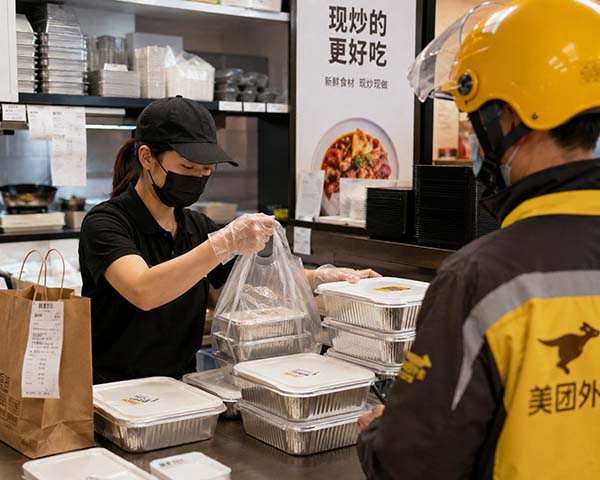
Corporate catering operation serving 100–500 boxed meals for off-site events.
Here, transport logistics dominate the decision. Meals are often prepared hours before service, transported in bulk, and held before serving. Container strength determines whether meals arrive intact. Thermal retention determines whether food can be served without reheating. Wrinkle Wall containers’ stackability and heat retention make them well-suited for this use case. The ability to stack containers without deformation is particularly valuable when transporting large quantities in catering vans or delivery vehicles.
Cloud kitchen operating multiple delivery brands from a single production facility.
For cloud kitchens, packaging serves both functional and branding purposes across multiple concepts. Cost efficiency matters, but so does the ability to differentiate packaging across brands. Wrinkle Wall containers are available in a range of shapes and sizes, supporting menu diversity while maintaining consistent functional performance. The containers‘ durability also reduces the risk of delivery failures that could damage brand reputation across all concepts.
Your Decision Framework — Four Questions for Catering and Delivery Packaging Evaluation
When assessing Wrinkle Wall aluminium containers for your operation, use this structured approach:
| Decision Factor | Ask This Question | Why It Matters |
|---|---|---|
| Volume and scale | How many containers do I use daily/weekly, and how are they transported? | High-volume operations benefit from wrinkle wall cost structure and stackability. |
| Delivery distance and time | What is my average delivery window, and what temperature challenges exist? | Longer transit times make thermal barrier properties more valuable. |
| Regulatory requirements | Which markets do I serve, and what packaging regulations apply? | Aluminium containers must meet relevant food-contact standards for each market. |
| Brand positioning | Does my brand require premium presentation, or is functionality the priority? | Wrinkle Wall suits functional, high-volume service; Smooth Wall supports premium positioning. |
Next Step: From Guidelines to Selection
Once you have clarified these key decision factors — volume and scale, delivery distance and temperature requirements, regulatory compliance needs, and brand positioning — comparing the specific specifications of available options becomes the next logical step. You can review ZONGBOU‘s Wrinkle Wall Aluminium Containers series for high-volume catering and delivery applications or explore custom shape options for menu-specific requirements. The right choice depends on your specific operational context, but the framework above provides the foundation for making that choice with confidence.
Related Reading
-
Smooth Wall vs. Wrinkle Wall Aluminium Containers: A Practical Comparison for Food Businesses
-
How to Evaluate Aluminium Foil Container Manufacturing Partners for Quality Consistency
-
Regulatory Guide: Food-Grade Packaging Standards Across North America, Europe, and Asia
-
How to Boost Sales with Smooth Wall Aluminium Containers | ZONGBOU
-
Sustainable Packaging Transitions: Planning for Regulatory Changes in Food Service
This article is part of ZONGBOU’s technical content library. No direct sales or pricing information is included. All technical discussions aim to help you make informed purchasing decisions.